CASHEW
FARMING
Introduction
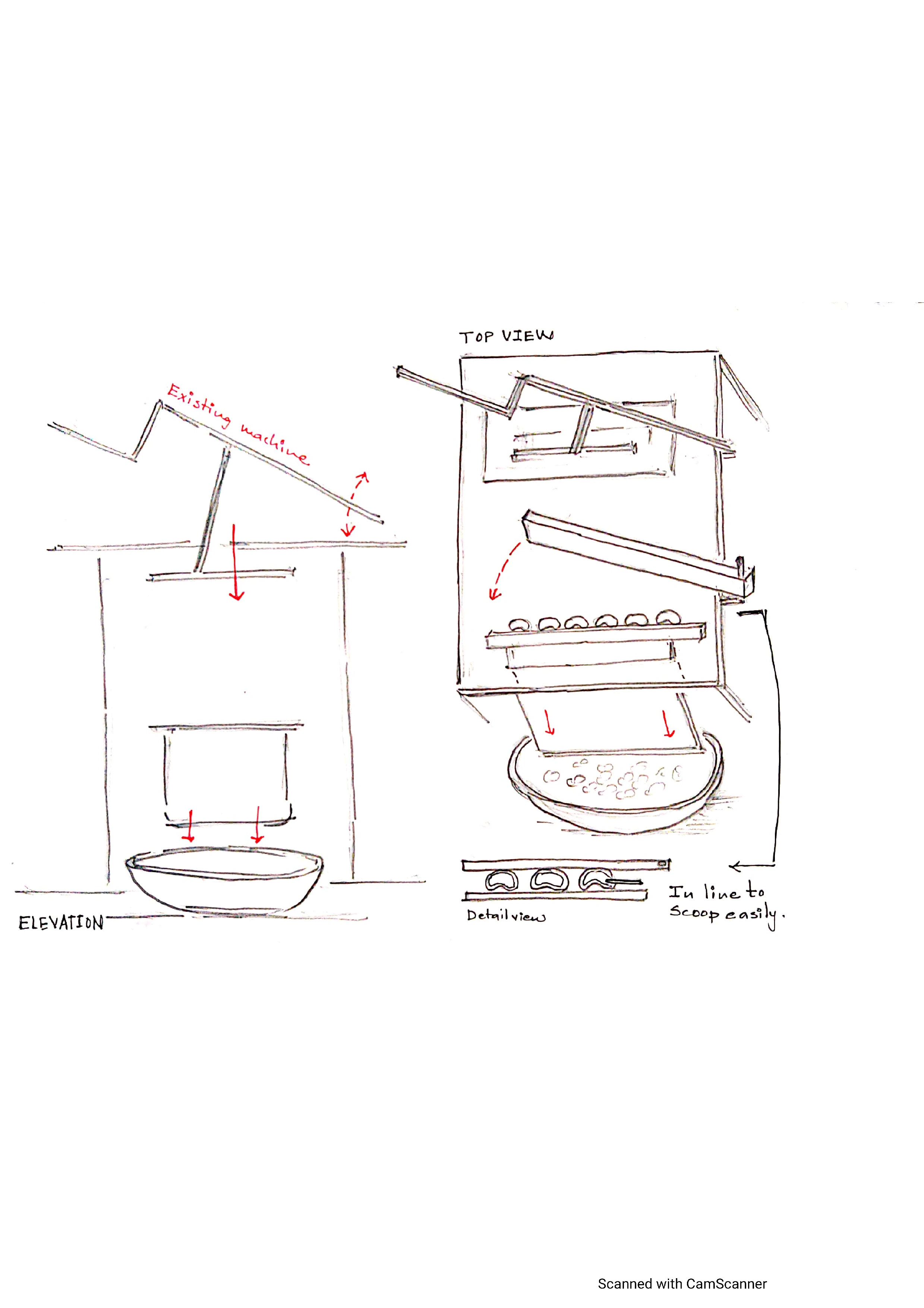
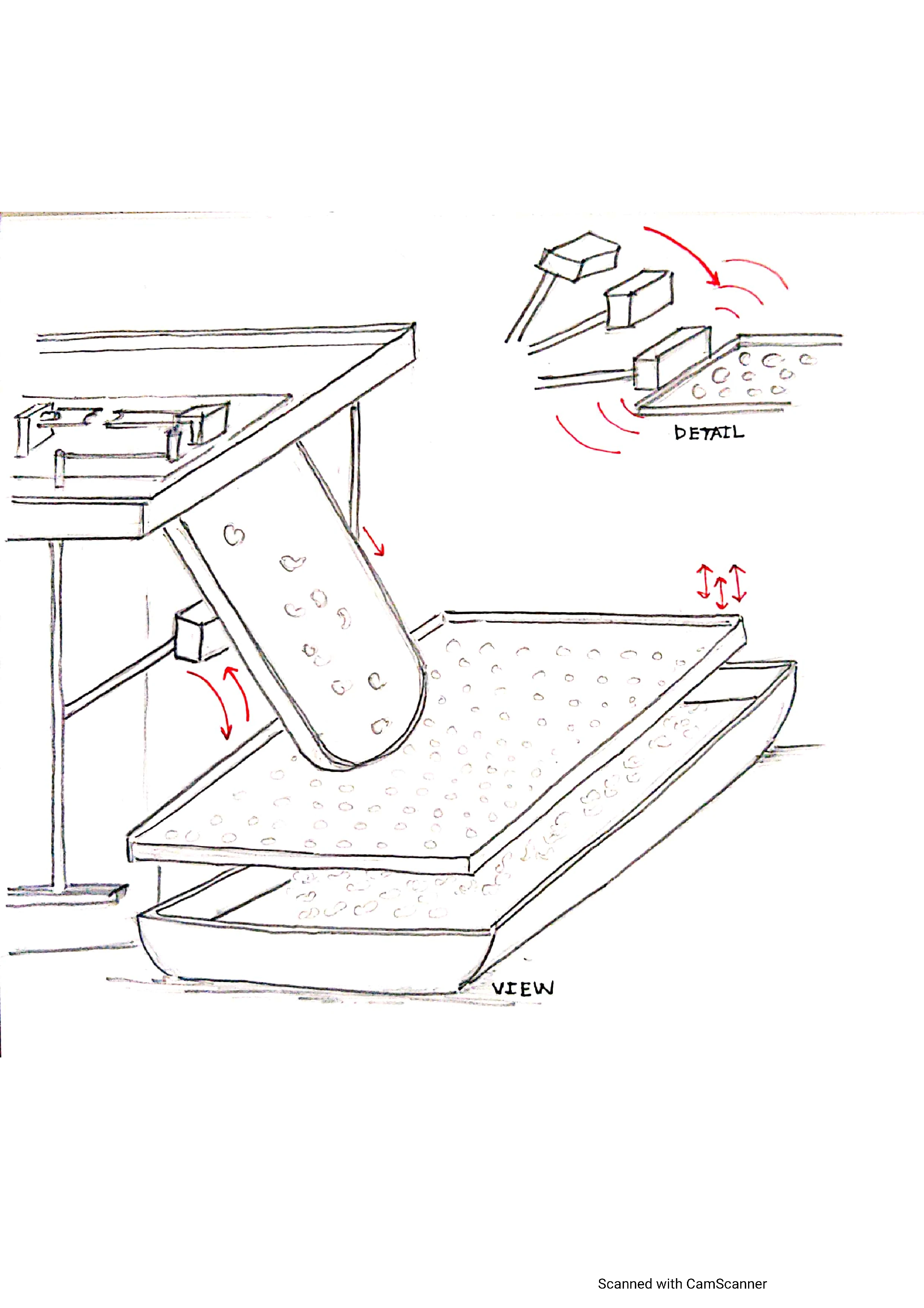
The process of extracting is a labor-intensive and hazardous process. Despite advancements in technology, a significant portion of this process still relies on manual labor. How might we enable workers to safely handle and process cashews without compromising their productivity?
Understanding the landscape
Existing automated machinery operates at only ~70% accuracy, making manual intervention essential for quality control and kernel extraction.
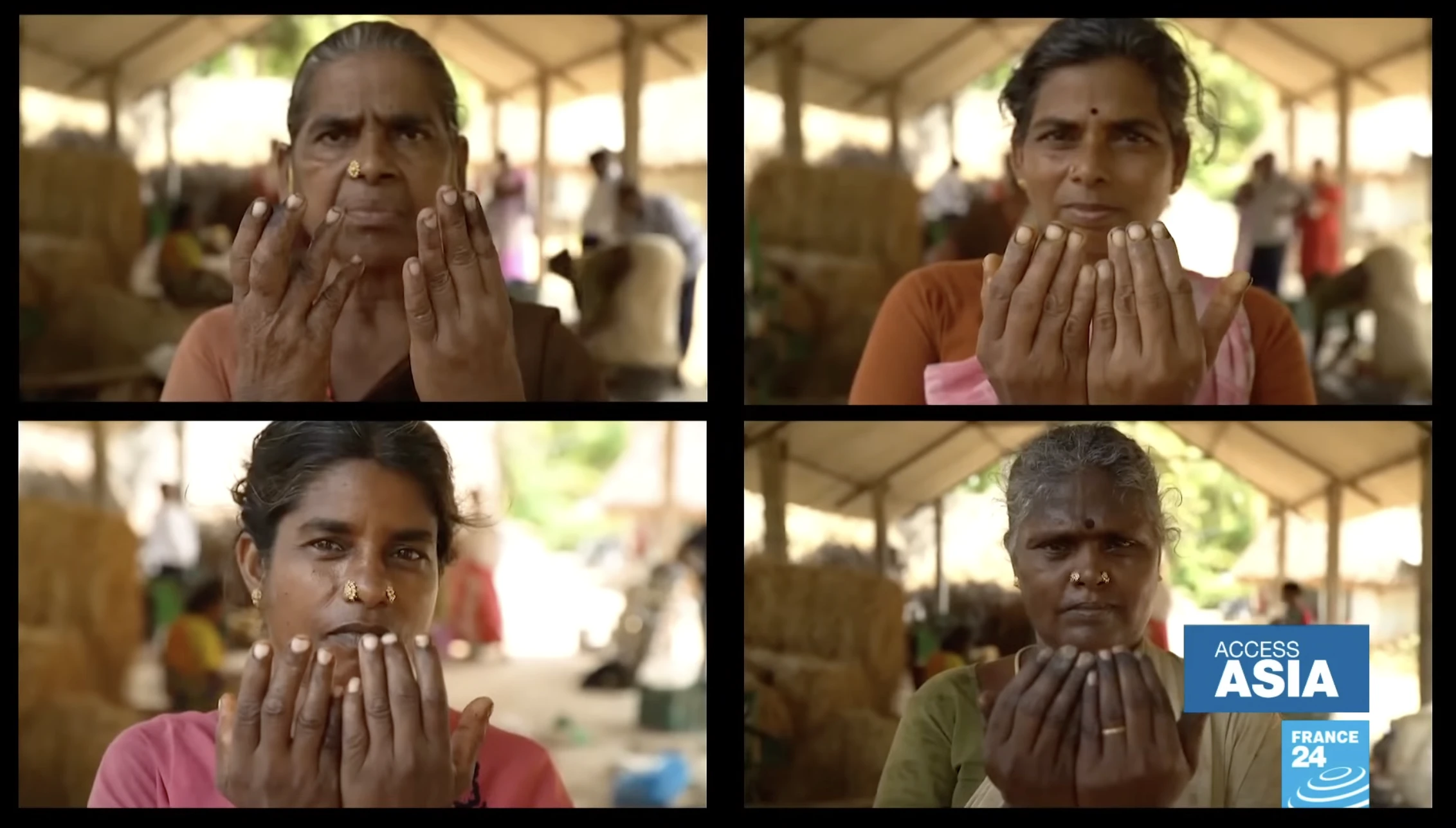
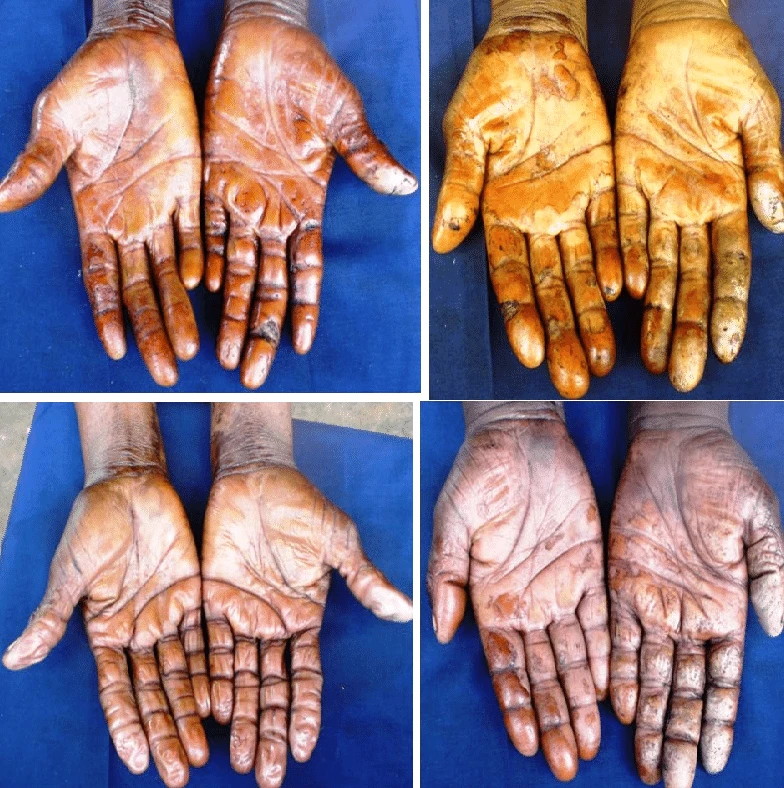
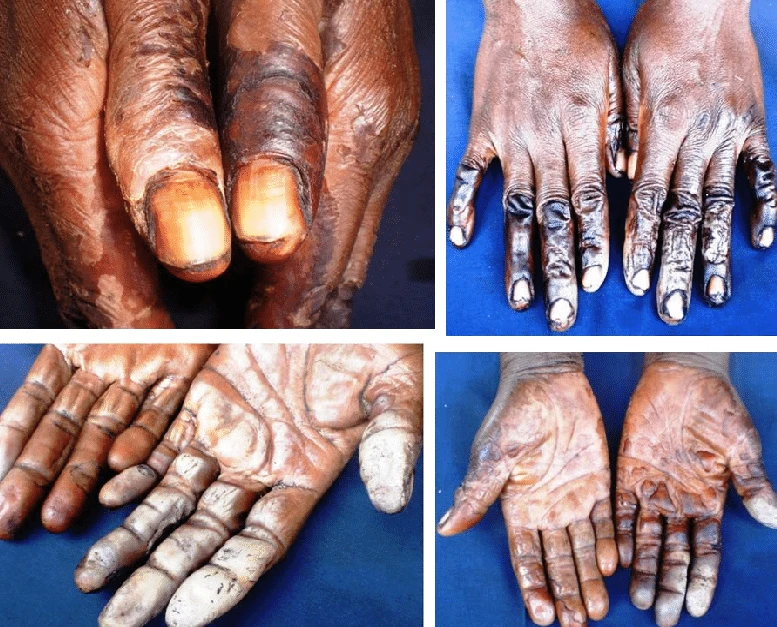
Due to exposure to Cashew Nutshell Liquid (CNSL), workers often resort to using ash on their fingers as a protective measure, highlighting the lack of effective and accessible safety solutions.
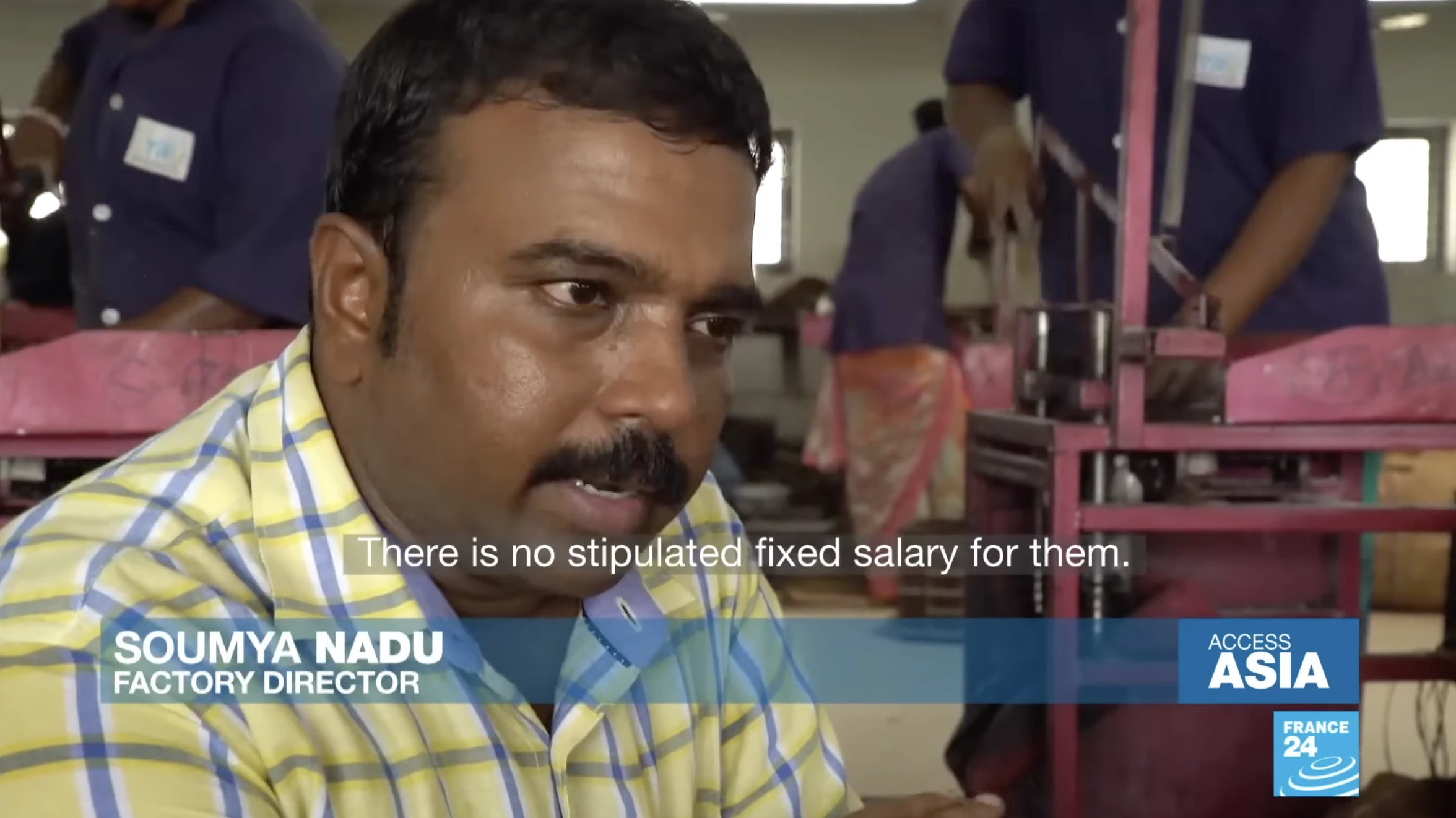
Workers are compensated based on the weight of processed nuts rather than time, incentivizing speed and discouraging the use of protective gear that might reduce efficiency.
Cracks in the industry
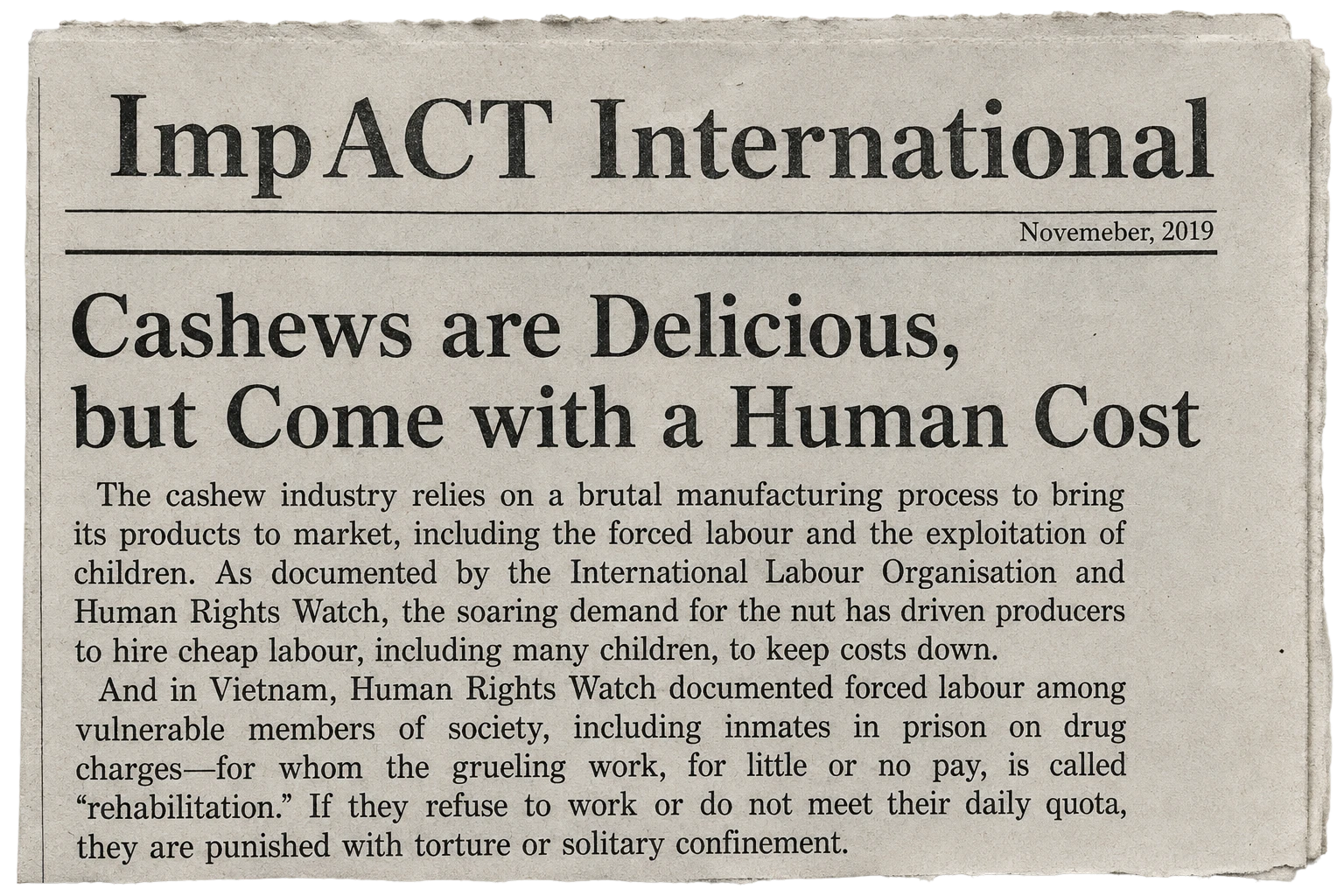
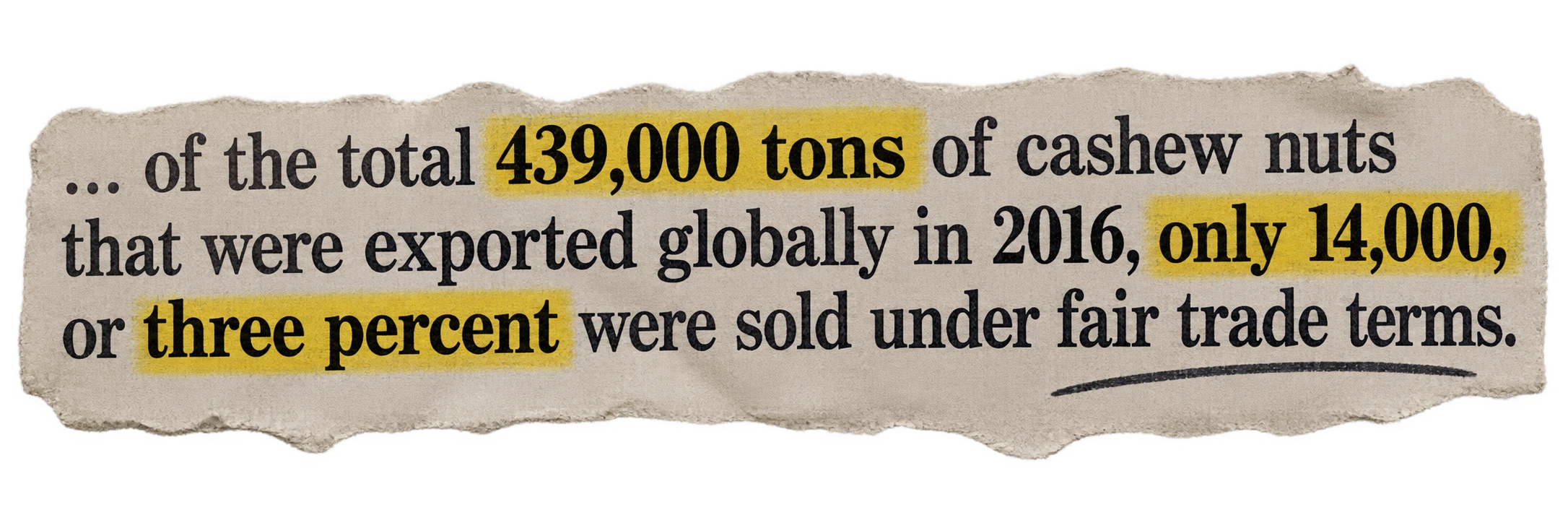
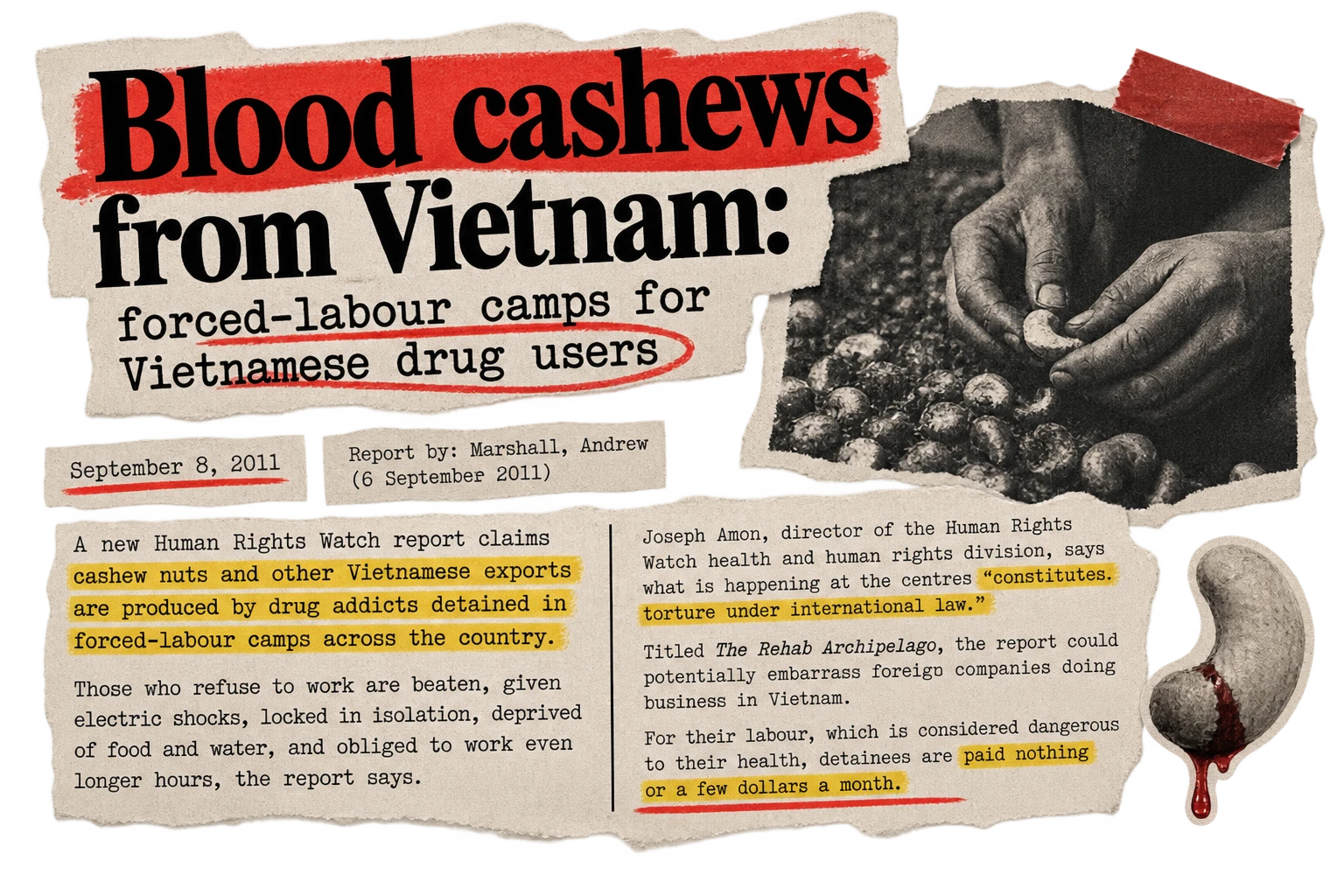
Labour Exploitation

User Research
Stakeholders Interview
The NUTS & bolts
Identifying ergonomic Issues
Task & Posture Analysis
We used RULA (Rapid Upper Limb Assessment), REBA (Rapid Entire Body Assessment), QEC (Quick Exposure Check) and Strain Index (SI) assessments to evaluate the physical strain and ergonomic risks faced by workers during their tasks.
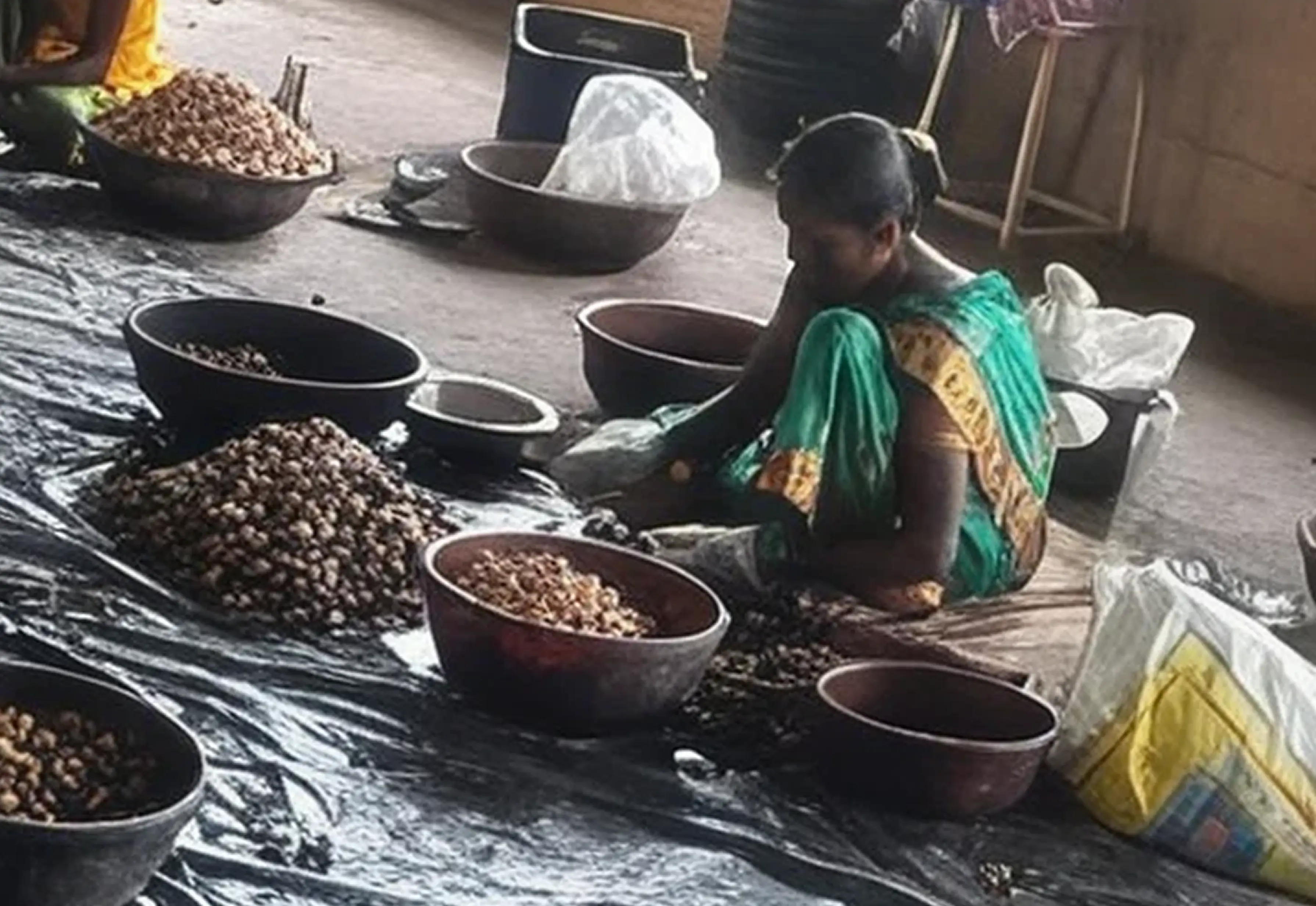
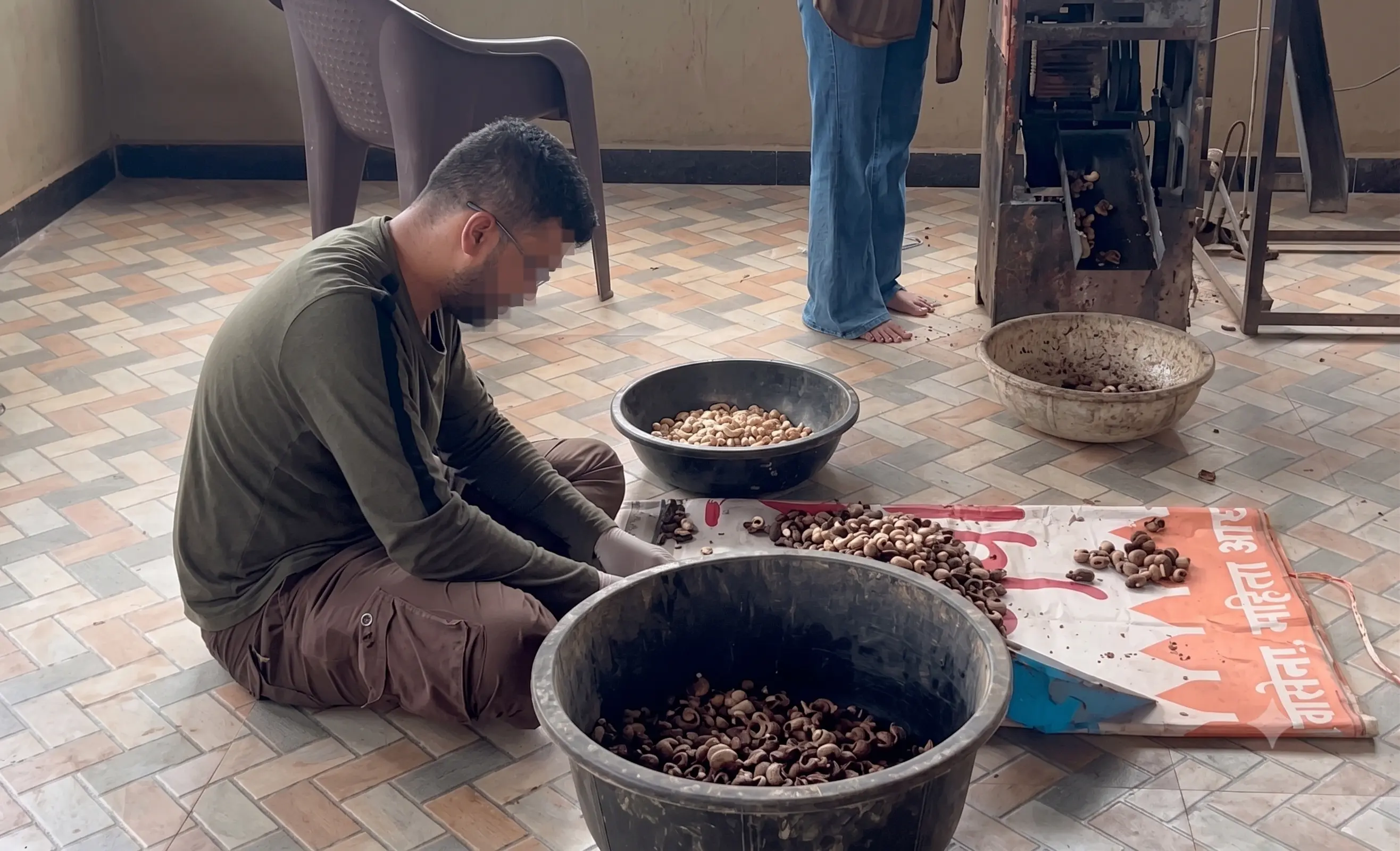
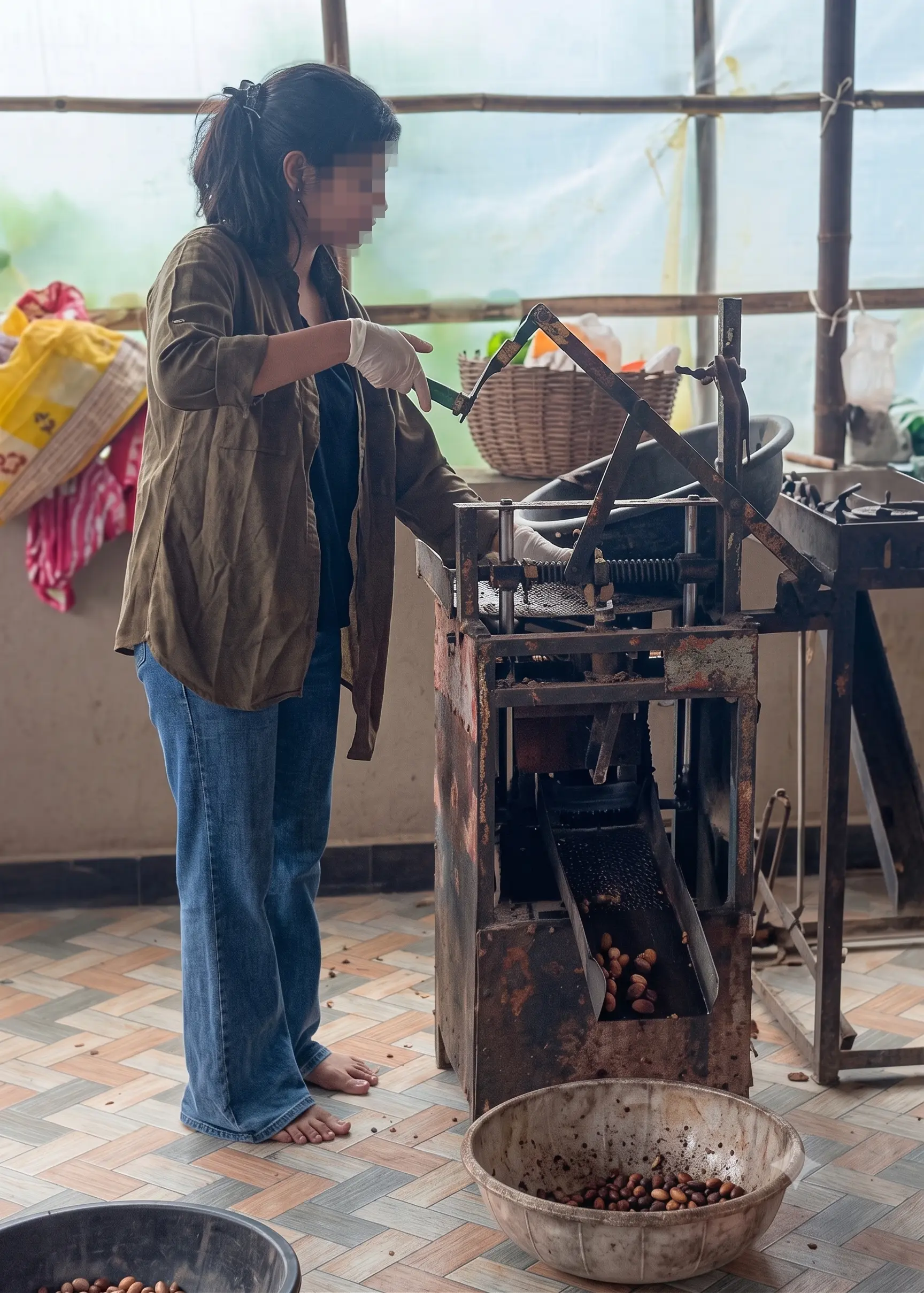
The RULA scores for hand-cutting and scooping tasks showed a moderate-to-high risk, the REBA score was 10 (very high risk), the SI scores were above 10 (hazardous risk for upper-limb disorders) and QEC scores indicated high exposure which can lead to injuries.
According to our calculations

Key Design Issues
[Key Design Issues content goes here]
Cracking the solution
Design Requirements
Concept Development